
The following information was published by Hospice Foundation of America http://www.hospicefoundation.org Whenever we face loss, we experience grief. Our reactions are unique and individual; none of us experience grief in the same way. Not only are we different, but our losses are different. Some may grieve a spouse, others a child, parent, brother, sister, orContinue reading “Grief”
Category Archives: Stress and Coping
Anger Management
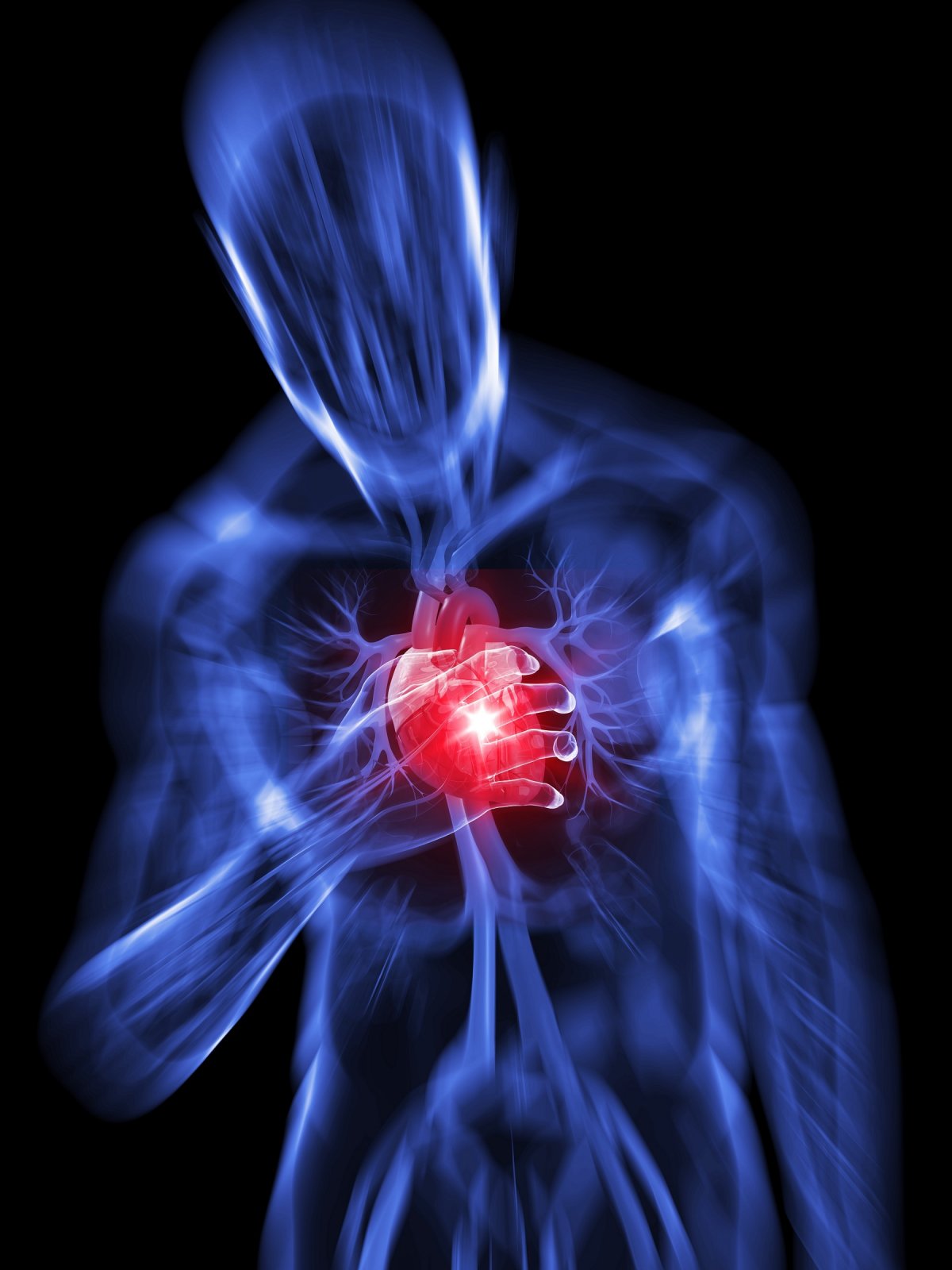
The physiological (body) and psychological (mind) anger response evolved to help people handle physical threats. However in today’s world there are not many places where physical aggression is an appropriate response. Anger is a normal human response to the experience of unfair treatment, injustice, frustration and criticism. However some people get angry without provocation, othersContinue reading “Anger Management”
Anxiety Management

Anxiety and your body When we feel anxious a chain of automatic events occurs in our bodies, which prepares us for action. This reaction is often termed the “fight or flight” response and can be traced back into our evolutionary past. Imagine the primitive caveman threatened by a wild animal. He needs to be preparedContinue reading “Anxiety Management”
Depression Management

What is Depression? People experience depression in many different ways, but perhaps the most prominent feature is a low or sad mood. Other typical signs of depression include lethargy, trouble with sleeping or early wakening, feeling constantly tired, pessimistic negative thoughts, difficulty thinking straight or making decisions, change in appetite and loss of interest. ThereContinue reading “Depression Management”
Stress and Coping
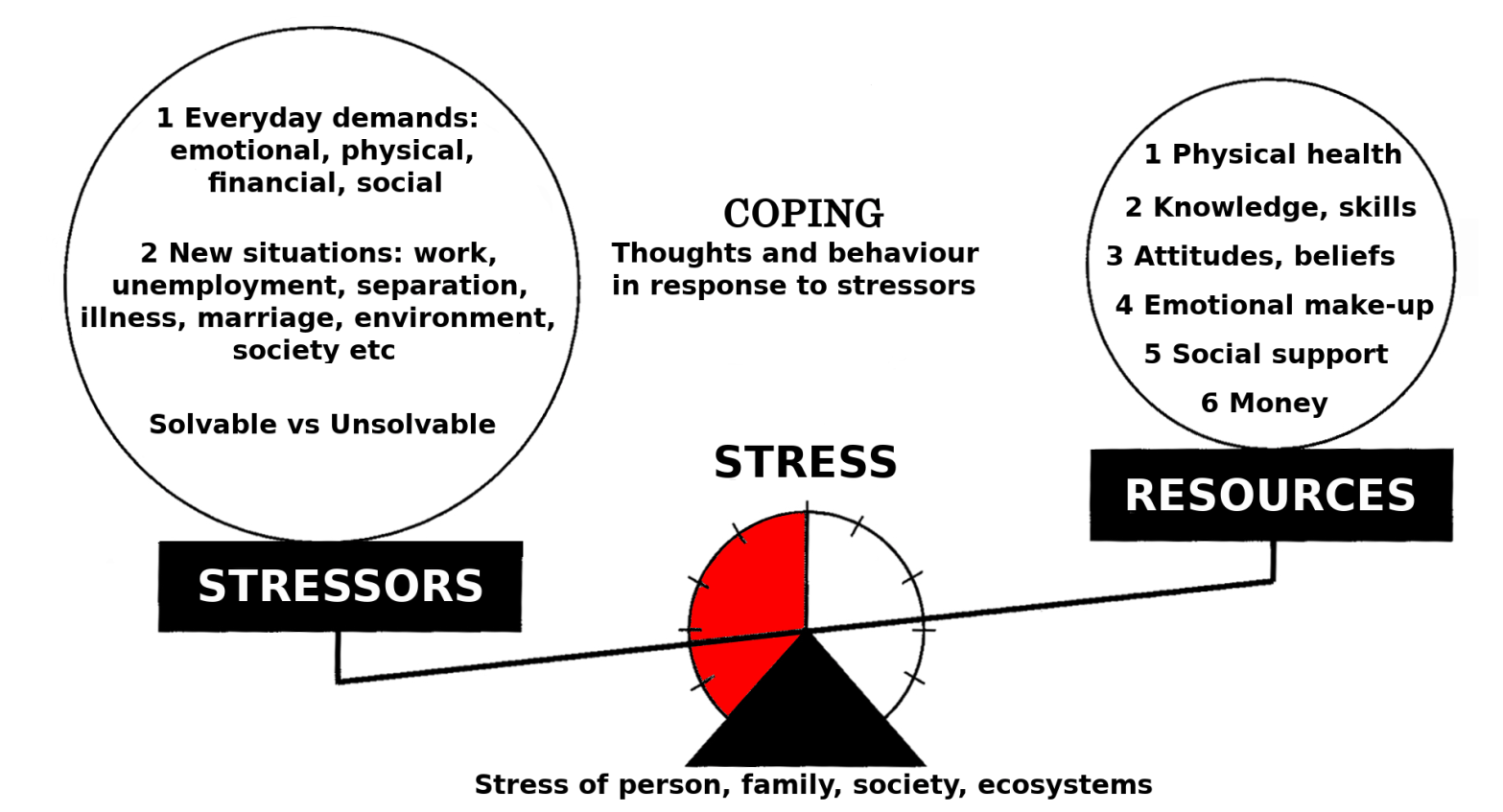
Stress occurs when coping with a stressor taxes or exceeds our coping resources. Coping involves thoughts and behaviour to manage the problem. Alternatives to the word “coping” include: battle with, carry on, confront, contend, deal, endure, face, get by, grapple, handle, live with, manage, struggle, suffer, survive, tangle, weather, and wrestle. Stressors can be personalContinue reading “Stress and Coping”
Assertiveness: ACTIVE responding to complaints, criticism and put-downs

Receiving Complaints or Criticism Often the unassertive person indiscriminately accepts complaints / criticism and apologizes for events even when s/he cannot be held accountable for these. On the other hand, people who become highly aroused and livid when they receive complaints are behaving aggressively, not assertively. Method 1. Distinguish whether the criticism is valid, invalidContinue reading “Assertiveness: ACTIVE responding to complaints, criticism and put-downs”
Assertiveness: PASSIVE responding to complaints, criticism and put-downs

FOGGING (from Smith, 1989, pp. 104-112) This is a way of dealing with manipulative criticism from other people. It follows these principles: We do NOT: deny any criticism, get defensive, or counter attack with criticism of our own. In other words, we respond to this criticism as if we are a fog bank. A fogContinue reading “Assertiveness: PASSIVE responding to complaints, criticism and put-downs”
Assertiveness: Our Rights

The underlying philosophy of assertiveness training is based on the premise that we are all equal and that we all possess the same basic rights. Many people seem to have forgotten, or have never been told, that these rights exist. The goal of assertiveness is to stand up for your rights without violating the rightsContinue reading “Assertiveness: Our Rights”
Assertiveness: Introduction
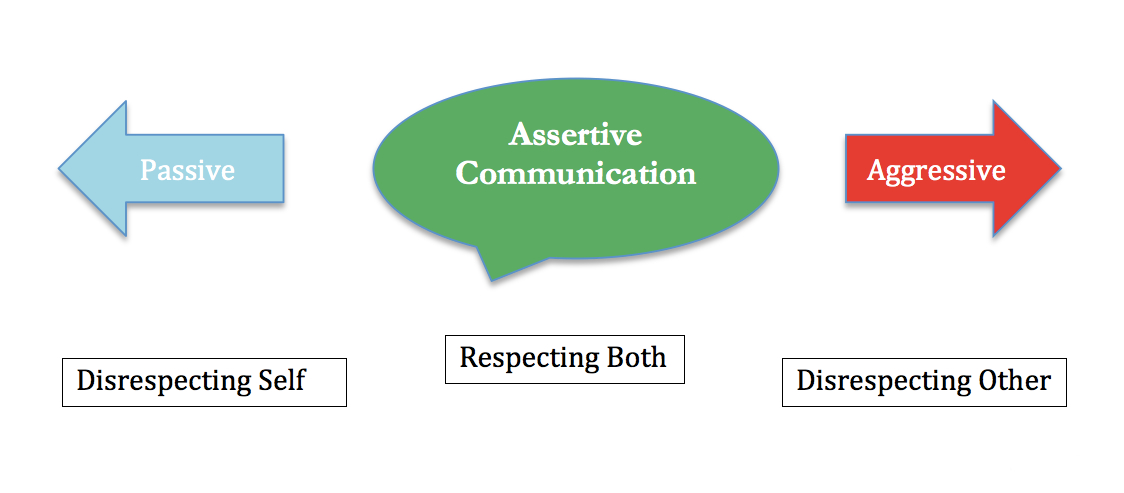
What is assertiveness? The word assertiveness is used to describe a certain pattern of behaviour or a style of communicating with others. It is a way of behaving which means we are communicating our feelings, thoughts, and beliefs in an open, honest manner without violating the rights of other people. It is an alternative toContinue reading “Assertiveness: Introduction”
Symptoms of Mental Distress
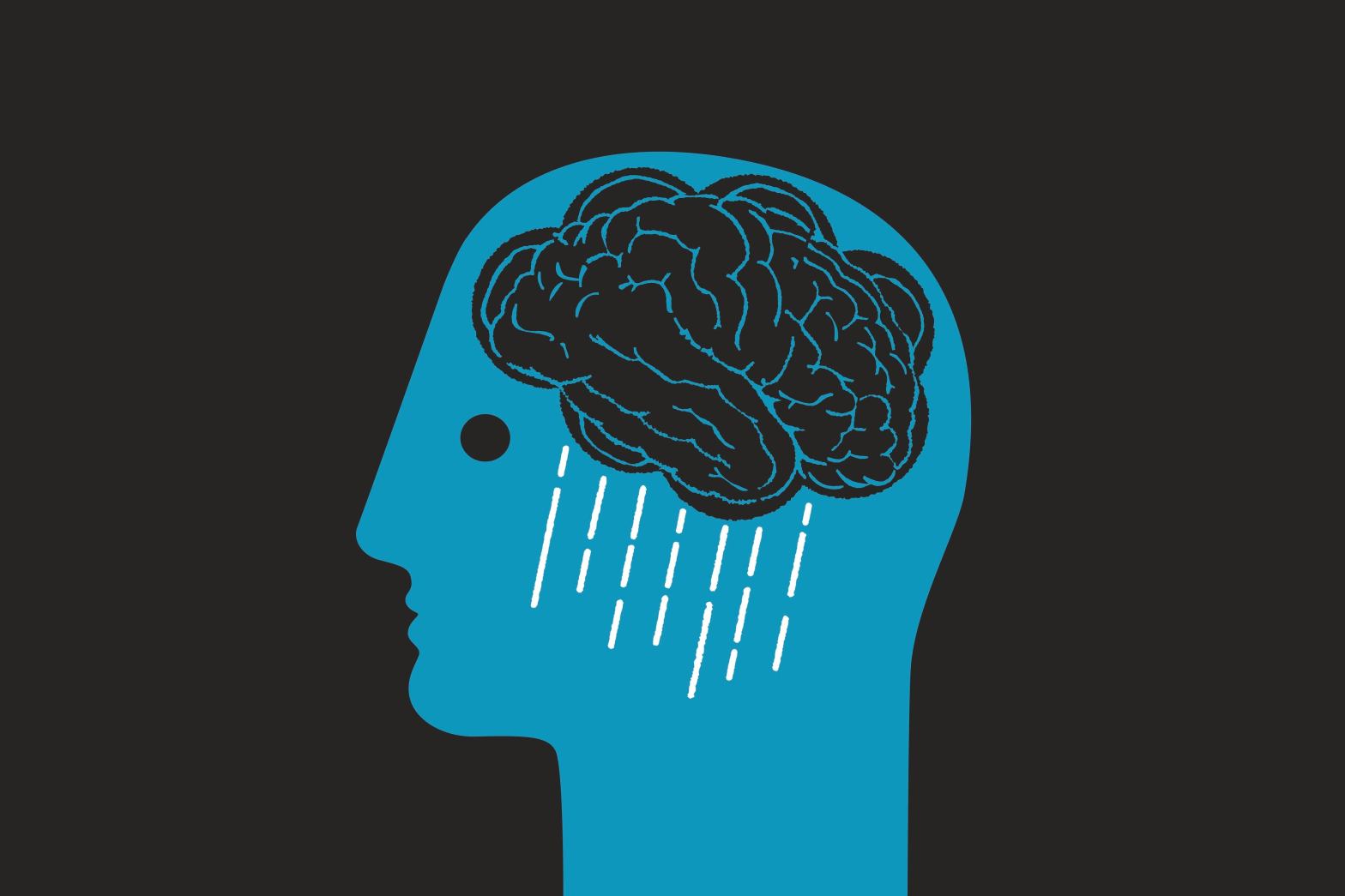
Symptoms of depression and anxiety are listed below. Major Depressive Disorder A. Five (or more) of the following symptoms have been present during the same 2-week period and at least one of the symptoms is either (1) depressed mood or (2) loss of interest or pleasure. Depressed mood most of the day, nearly every day.Continue reading “Symptoms of Mental Distress”
 Aspects of Mind